Melbourne Race Mayhem: Collisions, Penalties & Championship Shocks
The Albert Park circuit in Melbourne is renowned for its blend of high-speed sections and challenging corners, often setting the stage for exhilarating and, at times, chaotic motorsport. The recent race weekend certainly lived up to this reputation, delivering a relentless stream of Melbourne race incidents that left drivers fuming, stewards busy, and championship standings in disarray. From Supercars championship hopefuls enduring a nightmare of penalties and collisions, to a local Formula 1 hero facing an unexpected pre-race mechanical twist, the drama was palpable, captivating a record-breaking crowd.
Supercars Suffer "Zen" Deficit: Will Brown's Unraveling Weekend
For Red Bull Ampol Racing's Will Brown, the Melbourne Supercars round was a brutal testament to motorsport's unforgiving nature. What began with high hopes quickly devolved into a series of unfortunate events, severely jeopardizing his championship aspirations. Brown's weekend was riddled with clashes, marking his fourth penalty in a mere six races – an unwelcome statistic for any top-tier driver.
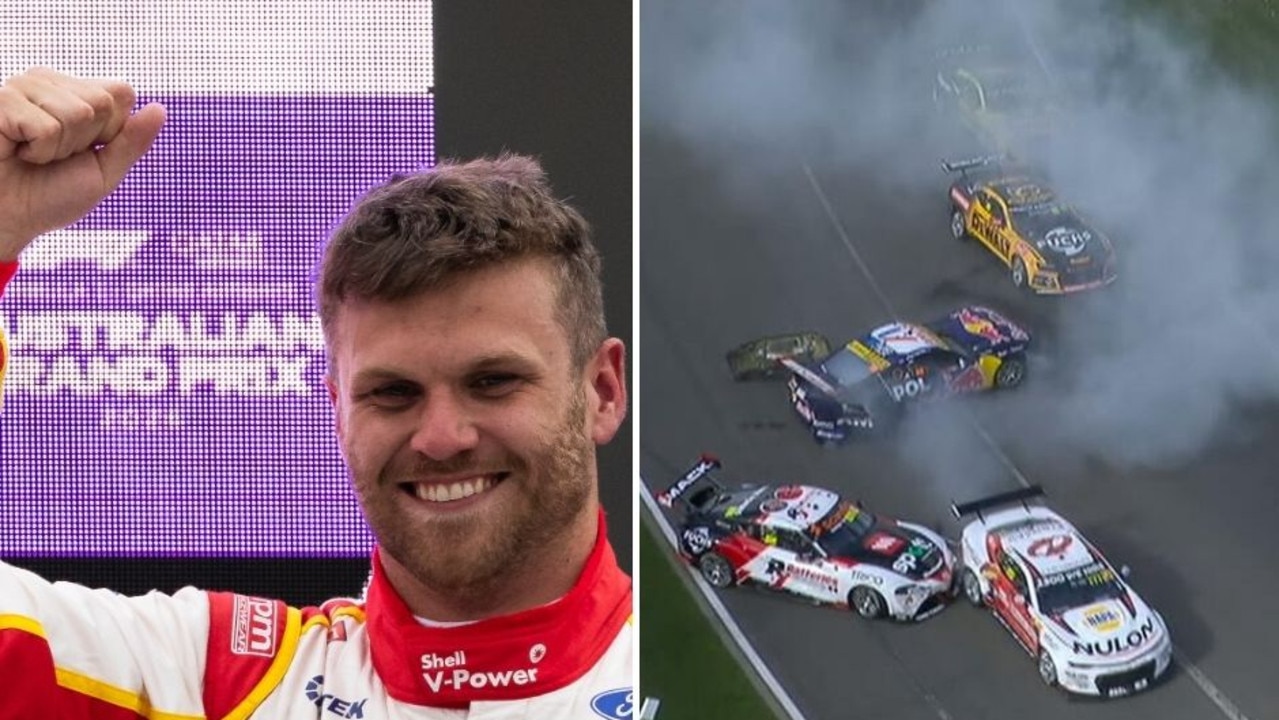
The most scrutinised melbourne race incident involving Brown occurred during a tense three-wide battle for position heading into Turn 11 of Race 6. Alongside Jack Le Brocq in the middle and Brown on the inside, Erebus Motorsport driver Cooper Murray found himself squeezed, ultimately spinning into the gravel. Officials swiftly announced an investigation, leaving Brown staring down the barrel of yet another penalty. While a potential time penalty might not have altered his 21st-place finish (given Murray was two laps behind), the true cost was far greater: a massive blow to his championship hopes.
Brown had started Saturday's race from a promising sixth position, a prime spot to accumulate valuable points. However, the subsequent events saw him tumble down the order, finishing the day 15th overall and a staggering 266 points behind his leading teammate, Broc Feeney. This dramatic shift underscores just how quickly fortunes can change in high-stakes racing.
Adding to his woes, Brown was involved in a collision with Aaron Cameron on Lap 10 while disputing fourth place. This single incident cost both drivers a potential 58 points each, a substantial sum in a tight championship fight. Instead, they were classified 20th and 21st, salvaging only 15 and 14 points respectively. The frustration was evident, culminating in Brown being seen remonstrating with Cameron's team boss, Tim Blanchard, in the paddock post-race.
The psychological toll of such a weekend was palpable. At one point, after Thomas Randle's crash brought out the Safety Car, Brown's engineer, Andrew Edwards, urged him to find "zen." Regrettably for the #888 driver, serenity remained elusive. Just moments before the pivotal Murray clash, Brown himself had been forced through the Turn 9/10 grass after contact with Chaz Mostert, highlighting a string of challenging on-track encounters. Despite the setbacks, Sunday offered a glimmer of hope as Brown secured pole position for the finale, a chance at redemption that many hoped he would seize.
Ripple Effects: Other Supercars Drivers Caught in the Crossfire
Will Brown wasn't the only Supercars driver to face the wrath of the stewards or the unforgiving Melbourne track. The weekend was a microcosm of the intense competition and fine margins that define the series, leading to several significant melbourne race incidents with broader championship implications.
- Ryan Wood's Penalty: Starting last after a dramatic qualifying near-miss, Ryan Wood fought hard but was ultimately penalised. A 30-second penalty was handed down for a clash that sent Thomas Randle into the Turn 5 barriers. Despite crossing the finish line in a respectable 10th place, the penalty reclassified him to 18th. Such incidents highlight the demanding scrutiny drivers face, where every contact can result in a significant setback, regardless of initial track position.
- Matt Payne's Championship Slide: The drama wasn't confined to penalties alone. Pre-race championship leader Matt Payne endured a catastrophic Lap 1 crash, forcing him out of contention. This single incident saw him plummet from the top spot to fourth in the championship standings, now trailing Broc Feeney, Brodie Kostecki, and Cam Waters. It serves as a stark reminder that even championship leaders are one mistake away from a major downturn in their season.
Tips for Navigating High-Stakes Race Incidents
The Melbourne Supercars round provided valuable lessons for both drivers and teams operating in high-pressure environments:
- For Drivers:
- Maintain Composure: The "zen" call to Brown underscores the importance of mental fortitude. Emotional responses post-incident can lead to further errors or even penalties.
- Risk Assessment: While aggressive driving is key, understanding when to back out of a three-wide situation or a marginal overtake can save valuable points and prevent damage.
- Post-Race Protocol: While frustration is natural, engaging constructively with officials and rival teams is crucial for maintaining professional relationships and potentially influencing future outcomes.
- For Teams:
- Strategic Damage Control: Engineers and strategists must be adept at recalculating points scenarios and adjusting race plans on the fly following incidents.
- Driver Support: Providing psychological support and clear communication, especially during Safety Car periods, can help drivers regain focus.
- Data Analysis: Thoroughly reviewing incident data post-race is vital for driver development and identifying patterns that could be addressed in future race preparation.
F1's Heartbreak: Piastri's Unforeseen Power Surge
The motorsport weekend's drama wasn't exclusively reserved for Supercars. Home favourite Oscar Piastri, McLaren's rising F1 star, experienced his own unique and heartbreaking melbourne race incident even before the Australian Grand Prix officially began. On his way to the grid, in front of a record weekend crowd of 483,934 passionate fans eager to cheer on their local hero, Piastri lost control of his car.
The incident occurred exiting Turn 4, where Piastri spun into the barriers, heavily damaging his car and ruling him out of starting his home Grand Prix. While Piastri readily accepted a significant share of the blame, acknowledging factors like cold tires and using an exit kerb he "didn't have to," there was a crucial, unexpected element at play that made the disappointment even harder to swallow.
"At the same time, I had about 100 kilowatts extra power that I didn't expect, which is not insignificant," Piastri revealed. This unexpected surge, he explained, was "a function of how the engines have to work with the rules." Essentially, it wasn't a malfunction in the traditional sense, but rather a characteristic of the new power units' operation within the technical regulations. This nuance made the incident particularly bitter for Piastri, as it added a layer of complexity beyond simple driver error or mechanical failure.
The challenge of integrating cutting-edge hybrid power units with complex regulatory frameworks occasionally throws up such unforeseen circumstances. For Piastri, this meant an agonizing end to his home race debut before it even started, a truly difficult pill to swallow. It highlights the immense technical challenges facing modern Formula 1 teams and drivers, where even subtle shifts in power delivery can have catastrophic consequences on track, especially when tires are not yet up to optimal temperature.
His profound disappointment was clear: "It’s obviously very disappointing – I don’t really have many other words than that. Just very sorry for everyone that came out and wanted to support me." This particular melbourne race incident served as a harsh reminder of the fine margins in F1, where a combination of driver input, track conditions, and intricate technical factors can align to create unexpected and devastating outcomes. For more details on this specific event, you can read our in-depth analysis: Piastri's Melbourne Crash: Unexpected Power Unit Blamed.
The Broader Impact: Championship Dynamics Shaken
The sheer volume of significant melbourne race incidents had a profound and immediate impact on the championship narratives across both Supercars and Formula 1. For Will Brown, a strong start to the season quickly hit a series of potholes, his championship hopes taking a severe bruising just a few rounds in. Matt Payne's dramatic loss of the Supercars championship lead underscored the fragility of early-season advantage, reminding everyone that consistency, not just speed, is paramount.
In Formula 1, Piastri's pre-race exit, while not directly affecting championship points for that race, certainly delivered a psychological blow, particularly for a driver eager to make an impression at his home event. Such setbacks can influence team morale and driver confidence moving forward, requiring significant resilience to overcome.
Melbourne's Albert Park circuit once again proved itself a formidable test, capable of turning promising weekends into nightmares. The blend of high-speed sections, tight chicanes, and proximity to barriers means that even the slightest miscalculation or unexpected technicality can lead to widespread drama. These events serve as a powerful reminder of the relentless pressure on drivers and engineers, where split-second decisions and intricate mechanical interactions dictate success or failure in the world of elite motorsport.
The Melbourne race weekend delivered an unforgettable spectacle of high-octane racing mixed with a heavy dose of misfortune and controversy. From Supercars championship leaders stumbling and promising careers facing stern tests, to a local F1 hero's dream turning into a pre-race nightmare, the sheer volume of melbourne race incident reports painted a vivid picture of a sport operating on the knife-edge. As the dust settles and penalties are finalised, teams and drivers will undoubtedly be poring over data, seeking lessons from every collision and setback. The Albert Park circuit, known for its challenging nature, once again proved its capacity to deliver drama, setting a compelling tone for the rest of the championship seasons across both categories. The road ahead for many drivers will now be a challenging uphill climb, fueled by the desire for redemption and a renewed focus on precision and control.